Cupping therapy lies in its roots in traditional Chinese medicine, and it has been gaining popularity in recent years for its potential benefits in treating anxiety. But how exactly does it work, and is there scientific evidence to support its use in managing mental health conditions? Here, we’ll go over the science behind cupping therapy, its effects on the body and mind, and whether it is a viable option for those suffering from anxiety.
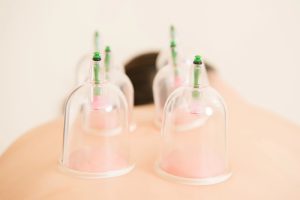 Cupping therapy involves placing cups on the skin to create suction, which stimulates blood flow and promotes healing in the body. The suction causes the skin to rise and the blood vessels to expand, encouraging circulation in targeted areas. This process is believed to help reduce muscle tension, alleviate pain, and boost the body’s natural healing mechanisms. When used for anxiety, cupping therapy is thought to have a calming effect on the nervous system, similar to the relaxation response triggered by massage or acupuncture.
Recent studies have shown that this technique may positively influence the autonomic nervous system (ANS), which controls the body’s “fight or flight” response. By balancing the ANS, cupping can help reduce anxiety symptoms like elevated heart rate, muscle tension, and shortness of breath. Additionally, improved circulation may enhance the delivery of oxygen and nutrients to the brain, which can further contribute to mood stabilization and stress relief.
While cupping therapy is still under-researched in Western medicine, a few studies have explored its potential in treating anxiety and stress-related disorders. One study published in Complementary Therapies in Clinical Practice found that patients receiving this treatment reported reduced levels of anxiety and overall stress. The researchers suggested that the therapy’s effects on blood circulation and the nervous system could play a role in reducing these symptoms. Another review of cupping therapy literature pointed out that the practice seems to trigger the release of endorphins and neurotransmitters, chemicals that naturally combat stress and improve mood.
However, it’s essential to note that more large-scale clinical trials are needed to definitively prove cupping therapy’s efficacy for anxiety. The current body of research is promising but still limited, making it crucial for individuals to consider cupping as a complementary approach alongside traditional treatments like therapy or medication.
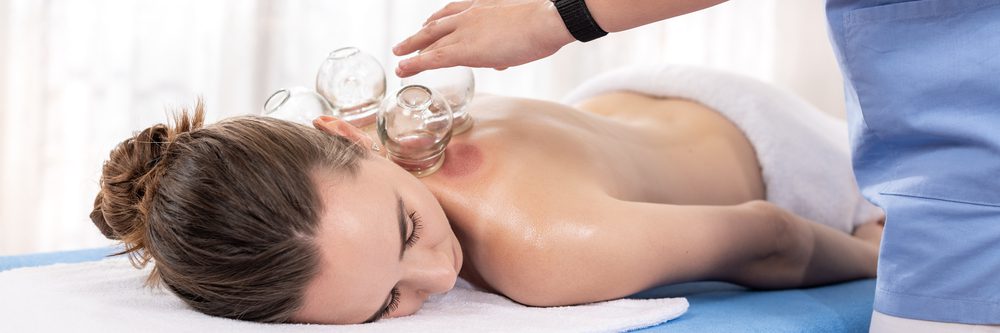
Cupping therapy is generally considered safe when performed by trained professionals. However, as with any alternative treatment, it’s important to consult a healthcare provider before beginning therapy, especially for those with pre-existing conditions or who are on medications. For individuals seeking relief from anxiety, cupping therapy can be a valuable part of a comprehensive wellness plan that includes mental health care and lifestyle adjustments.
At Delray Brain Science, we offer cupping therapy as part of our holistic approach to treating anxiety. Our skilled practitioners tailor each session to meet your specific needs, aiming to improve both physical and mental well-being. Cupping therapy, when combined with our advanced mental health treatments, offers a path toward managing anxiety and improving overall quality of life.
Cupping therapy holds promise as a natural method to help manage anxiety, thanks to its potential effects on circulation, the nervous system, and stress-related symptoms. While more research is needed, the practice has shown encouraging results in alleviating anxiety for many. At Delray Brain Science, we incorporate this tecnhique into a broader mental health treatment program to provide holistic care for those battling anxiety.
If you’re interested in learning more about how cupping therapy can benefit you, or if you want to schedule a consultation, contact Delray Brain Science today.